
Blog
Bagasse Plates: Sustainable Disposable Tableware Guide

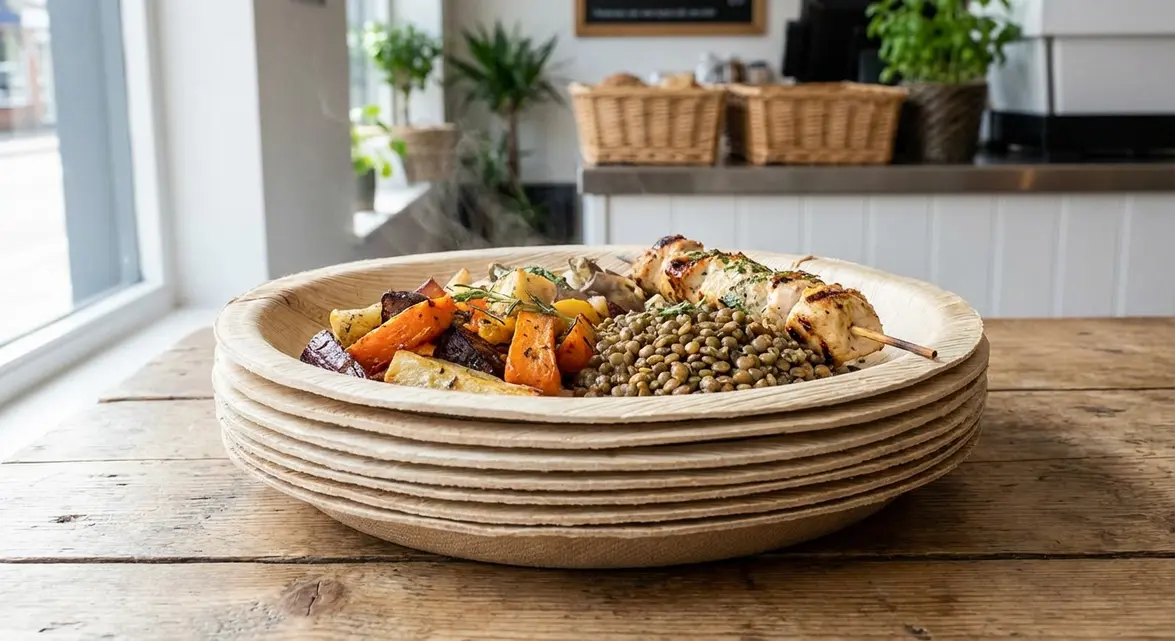
Bagasse Plates: The Sustainable Disposable Solution for Modern Foodservice
Bagasse plates have rapidly become one of the most sought-after disposable tableware options for businesses that want to balance performance, cost, and sustainability. As regulations tighten around single-use plastics and consumers increasingly demand eco-friendly alternatives, bagasse plates offer a practical solution that does not compromise on strength or presentation. Made from sugarcane bagasse, an agricultural byproduct, these plates are designed for real-world foodservice needs while supporting environmental responsibility.
For B2B buyers—including restaurants, caterers, hotels, food manufacturers, and distributors—choosing the right disposable tableware is no longer just an operational decision. It is a brand statement, a compliance requirement, and often a cost-management strategy. This article provides a deep, practical guide to bagasse plates: how they are made, why they outperform many alternatives, and how to source them confidently at scale.
What Are Bagasse Plates?
Bagasse plates are disposable plates manufactured from sugarcane bagasse—the fibrous residue left after sugarcane stalks are crushed to extract juice. Instead of burning or discarding this biomass, manufacturers repurpose it into molded fiber products such as plates, bowls, trays, and clamshell containers.
The production process involves cleaning, pulping, and molding the bagasse fibers under heat and pressure. The result is a sturdy, compostable plate that is free from plastic coatings and synthetic additives. For foodservice businesses, bagasse plates represent a circular-economy product: they are made from waste and return safely to the environment after use.
Why Bagasse Plates Are Gaining Global Popularity
The growth of bagasse plates is driven by a combination of regulatory pressure, consumer expectations, and practical performance advantages. Unlike many “green” products that require trade-offs, bagasse plates meet both sustainability and operational requirements.
Plastic Bans and Regulatory Compliance
Governments across Europe, North America, Asia-Pacific, and the Middle East are restricting or banning single-use plastic tableware. Bagasse plates comply with most international regulations on compostability and food contact safety, making them a future-proof choice for importers and distributors.
Changing Consumer Preferences
End customers increasingly notice what their food is served on. Using bagasse plates signals environmental responsibility and aligns brands with sustainability values—an important factor for restaurants, event caterers, and corporate dining services.
Reliable Performance in Foodservice
Unlike thin paper plates or brittle alternatives, bagasse plates are known for their strength, heat resistance, and grease resistance. This makes them suitable for a wide range of cuisines and serving conditions.
Key Benefits of Bagasse Plates for B2B Buyers
From procurement managers to sustainability officers, decision-makers choose bagasse plates for reasons that go beyond marketing claims. Below are the most important advantages in a commercial context.
- 100% compostable: Break down naturally in industrial composting facilities, typically within 60–90 days.
- Made from renewable resources: Utilizes agricultural waste instead of virgin materials.
- Heat and microwave safe: Suitable for hot foods, reheating, and short-term oven use.
- Oil and moisture resistant: Performs well with saucy, greasy, or oily dishes.
- Free from plastic and PFAS: Meets growing demand for chemical-safe food packaging.
Bagasse Plates vs Other Disposable Plate Materials
Understanding how bagasse plates compare to other disposable options helps buyers justify the switch internally and externally.
Bagasse Plates vs Plastic Plates
Plastic plates are cheap and lightweight, but they are derived from fossil fuels and persist in the environment for hundreds of years. Bagasse plates, by contrast, are biodegradable, compostable, and accepted in regions where plastic is restricted or banned.
Bagasse Plates vs Paper Plates
Standard paper plates often rely on plastic or wax coatings to resist moisture, making them difficult to recycle or compost. Bagasse plates achieve natural grease resistance through fiber structure alone, without coatings.
Bagasse Plates vs Cornstarch Plates
Cornstarch plates (PLA-based) are compostable but typically require industrial composting conditions and can deform under high heat. Bagasse plates generally offer better heat tolerance and rigidity, especially for hot meals.
Common Applications of Bagasse Plates
Because of their versatility, bagasse plates are used across many industries and service models.
- Restaurants and quick-service chains
- Catering companies and event planners
- Airlines and railway catering
- Corporate cafeterias and canteens
- Food trucks and street food vendors
- Eco-conscious retail and takeaway outlets
Sizes, Shapes, and Design Options
Modern bagasse plates are available in a wide range of specifications to meet different serving needs.
Popular Sizes
- 6–7 inch plates for desserts and snacks
- 8–9 inch plates for standard meals
- 10–12 inch plates for main courses and platters
Shapes and Compartments
- Round and square designs
- Oval plates for premium presentation
- Compartment plates for meals with sides
Certifications and Standards to Look For
For B2B buyers, certifications provide assurance of quality, safety, and compliance.
- FDA / LFGB: Food contact safety
- BPI / EN 13432: Compostability standards
- OK Compost / TÜV Austria: Industrial composting certification
- ISO 9001: Manufacturing quality management
How to Source Bagasse Plates in Bulk
Sourcing bagasse plates at scale requires more than comparing unit prices. Long-term reliability, quality consistency, and supplier transparency are critical.
Evaluate Manufacturing Capability
Look for suppliers with in-house molding facilities, stable raw material access, and automated production lines. This reduces supply risk and ensures consistent quality.
Request Samples and Test Performance
Always test bagasse plates with your actual menu items. Check rigidity, resistance to liquids, and performance under heat.
Understand MOQ and Lead Times
Minimum order quantities, customization options, and shipping timelines vary widely. Clarify these early, especially for export orders.
Cost Considerations and Total Value
While bagasse plates may appear slightly more expensive than basic plastic options, the total value proposition is often stronger.
- Reduced risk of regulatory fines
- Positive brand perception and customer loyalty
- Compatibility with sustainability goals and ESG reporting
When evaluated over time, bagasse plates often deliver a lower overall cost of ownership for environmentally conscious businesses.
Environmental Impact of Bagasse Plates
Bagasse plates contribute to waste reduction and carbon footprint mitigation. By utilizing agricultural residue, they reduce the need for deforestation and lower greenhouse gas emissions compared to plastic production.
After use, bagasse plates can be composted and returned to the soil, closing the loop in a sustainable lifecycle.
Future Trends in Bagasse Tableware
The bagasse tableware market continues to evolve. Innovations include improved molding techniques, smoother finishes, enhanced oil resistance, and expanded product ranges. As composting infrastructure improves globally, adoption of bagasse plates is expected to accelerate further.
Frequently Asked Questions
Are bagasse plates really compostable?
Yes. Bagasse plates are made from natural fibers and are fully compostable in industrial composting facilities. Under the right conditions, they break down within a few months.
Can bagasse plates handle hot and greasy food?
Bagasse plates are specifically designed for hot, oily, and saucy foods. They maintain structural integrity better than many paper-based alternatives.
Are bagasse plates microwave safe?
Yes, most bagasse plates are microwave safe for reheating purposes. Always confirm specifications with the supplier.
Do bagasse plates contain plastic or chemicals?
High-quality bagasse plates are free from plastic, PFAS, and harmful chemicals. Buyers should verify certifications to ensure compliance.
In conclusion, bagasse plates are no longer a niche product—they are a practical, scalable, and responsible solution for modern foodservice. For businesses seeking reliable performance, regulatory compliance, and genuine sustainability, bagasse plates represent one of the smartest disposable tableware choices available today.
🌱 Switch to Sustainable Packaging Today
Jiutong Tableware is your trusted manufacturer for biodegradable sugarcane and cornstarch tableware. We offer factory-direct pricing and full OEM/ODM customization.
- 🔹 Need a Quote? Request Wholesale Pricing
- 🔹 Browse Catalog: View All Eco-Friendly Products
- 🔹 Custom Solutions: Learn About Our OEM Services