
Blog
What Is Bagasse Plates? Complete B2B Buyer Guide

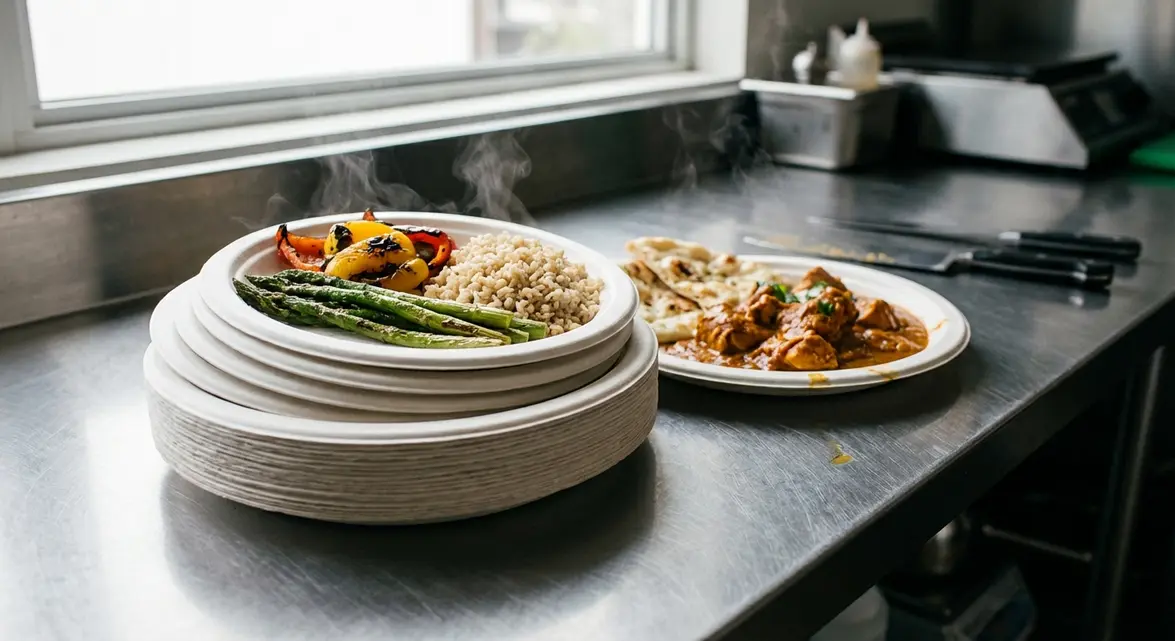
What Is Bagasse Plates? A B2B Buyer’s Guide to Compostable Sugarcane Tableware
If you’re sourcing disposable tableware for foodservice, catering, or retail, you’ve likely seen “compostable” plates that look and feel like sturdy paper—but perform more like plastic. That product is often made from sugarcane fiber, and the question buyers keep asking is simple: what is bagasse plates and are they actually reliable (and compliant) for commercial use?
In B2B procurement, the details matter: raw material origin, manufacturing process, grease resistance, heat performance, certification standards, supply stability, and total landed cost. This guide answers what is bagasse plates from a technical and commercial perspective, so you can specify the right product, reduce risk, and meet sustainability requirements without compromising on performance.
What Is Bagasse Plates: Definition and Material Basics
To understand what is bagasse plates, start with the word “bagasse.” Bagasse is the fibrous residue left after sugarcane stalks are crushed to extract juice for sugar production. Instead of being discarded or burned, this fiber can be upcycled into molded-fiber food packaging such as plates, bowls, clamshells, trays, and takeout containers.
Bagasse plates are disposable plates made by converting sugarcane bagasse into a pulp and then forming it under heat and pressure into rigid shapes. The result is a lightweight yet strong plate that can be designed for different sizes, compartment layouts, rim profiles, and surface finishes.
Bagasse plates vs. “paper plates”
Many buyers confuse bagasse plates with standard paper plates. They are not the same:
- Standard paper plates are typically made from wood pulp and often need plastic/PE coatings for grease and moisture resistance.
- Bagasse plates are molded fiber products made from agricultural residue, usually with inherent rigidity and better heat tolerance than thin paper plates.
How Bagasse Plates Are Made (And Why That Matters for Procurement)
When evaluating what is bagasse plates for your business, the manufacturing process explains a lot about performance, consistency, and compliance.
1) Fiber collection and preparation
After sugar extraction, bagasse is collected, cleaned, and processed into pulp. Quality suppliers control:
- Fiber cleanliness (reduces odor, specks, and variability)
- Pulp refinement (affects strength and surface smoothness)
- Moisture content (affects forming and dimensional stability)
2) Pulp molding and hot pressing
The pulp is formed into a plate shape using molds. Most commercial-grade bagasse plates use a hot-press process, which improves:
- Rigidity and load-bearing capacity
- Edge definition (better stacking and presentation)
- Surface density (improves resistance to oil and moisture)
3) Trimming, inspection, and packing
Trimming ensures consistent plate diameter and rim finish, while inspection checks for defects such as thin spots, warping, or contamination. For B2B buyers, the packing format (inner packs, master cartons, pallet configuration) drives warehouse efficiency and shipping cost.
Key Performance Characteristics: What Bagasse Plates Can (and Can’t) Do
Answering what is bagasse plates isn’t complete without a realistic look at performance in real foodservice conditions.
Heat tolerance
Bagasse plates generally handle hot foods well, including rice, pasta, grilled items, curries, and saucy dishes. Many products are also marketed as microwave-safe; however, time and temperature limits vary by manufacturer and plate thickness. For commercial use, request supplier guidance and conduct in-house tests with your menu.
Grease and moisture resistance
Compared with thin paper plates, bagasse plates typically offer better resistance to grease and moisture due to their molded structure and surface density. Still, performance depends on:
- Plate grammage/thickness
- Mold design (rim height, compartment depth)
- Surface finish and any added treatments (where applicable)
- Food type and dwell time (how long food sits on the plate)
Structural strength (load-bearing)
Bagasse plates are known for stiffness and strength, making them suitable for buffets, catering, and takeout. For B2B specification, define the typical load: portion weight, wet vs. dry foods, and whether plates will be carried single-handed.
Cold foods and condensation
For salads, desserts, and chilled items, bagasse plates perform well, but condensation can soften any fiber-based product over time. If cold items are held for long durations, choose heavier plates or consider complementary packaging formats.
What bagasse plates are not ideal for
- Long-term liquid holding (e.g., soups) unless the product is designed as a bowl with sufficient thickness and tested performance
- High-acid or high-oil foods held for extended periods without validating grease resistance
- Oven use unless explicitly rated by the manufacturer
Sustainability Profile: Why Bagasse Plates Are Considered Eco-Friendly
For many organizations, the reason they ask what is bagasse plates is linked to sustainability policies or customer expectations. Bagasse is widely positioned as an eco-friendly alternative because it uses an agricultural byproduct and can be industrially compostable when certified.
Upcycling agricultural residue
Bagasse is generated in large volumes by the sugar industry. Turning it into tableware can reduce waste and add value to an existing supply chain. From a sourcing perspective, this can also help stabilize raw material availability in regions with strong sugarcane production.
Compostability (what it actually means in B2B)
Compostable claims should be backed by third-party certifications (discussed below). In practice:
- Industrial composting is the most common route for molded fiber tableware.
- Home composting is possible in some conditions, but results vary by climate, pile management, and product thickness; it should not be assumed unless certified.
End-of-life reality check
Even when a product is compostable, outcomes depend on local infrastructure, contamination with plastics, and how waste is sorted. For B2B buyers, the best approach is to align product choices with your region’s disposal pathways (industrial compost, organics collection, landfill) and to support adoption with clear signage and staff training.
Compliance and Certifications B2B Buyers Should Request
If your customers, regulators, or internal ESG teams are asking what is bagasse plates, they often also want proof that compostability and food-contact safety claims are legitimate.
Common compostability standards
- ASTM D6400 / ASTM D6868 (U.S. compostability-related standards often referenced in programs)
- EN 13432 (EU compostability standard for packaging)
- ISO 17088 (international compostability standard)
Ask your supplier for certificates and test reports tied to the exact SKU (size, weight, and any coatings).
Food-contact safety documentation
Depending on your market, request documentation aligned with applicable regulations (e.g., FDA/food-contact declarations in the U.S., EU framework requirements, or other local standards). Also ask whether the product is:
- PFAS-free (a key requirement in several jurisdictions for molded fiber food packaging)
- Free from intentionally added plastic coatings (if this matters for your disposal stream)
- Produced under a quality management system with traceability
Chain of custody and responsible sourcing (optional but valuable)
While not always mandatory, some buyers prefer suppliers who can provide information about raw material origin and factory audits. This is particularly important for national distributors, private-label programs, and brands with public sustainability commitments.
Bagasse Plates vs. Cornstarch Tableware vs. Plastic: A Practical Comparison
Many procurement teams evaluating what is bagasse plates are also deciding between bagasse molded fiber and other “eco” disposables such as cornstarch-based products (often PLA blends or bio-based plastics) and conventional plastic.
Bagasse plates (sugarcane fiber)
- Strength: High stiffness, good for hot foods and catering
- Heat: Generally suitable for hot foods; microwave performance depends on SKU
- Look and feel: Natural fiber aesthetic; premium appearance
- End-of-life: Often industrially compostable when certified
Cornstarch tableware (bio-based plastic family)
- Strength: Good rigidity; often smoother finish
- Heat: Some variants can deform at higher temperatures; verify heat rating
- End-of-life: Frequently requires industrial composting; not always accepted in all organics programs
Conventional plastic (PP/PS/PET)
- Strength: Consistent and widely available
- Heat: PP handles heat better than many plastics; PS can be brittle
- End-of-life: Recycling depends on local systems and contamination; regulatory restrictions increasing in many regions
In many foodservice applications, bagasse plates are chosen when the goal is a natural fiber, premium compostable alternative with strong performance for hot and greasy foods.
Common Bagasse Plate Types and How to Choose the Right SKU
A frequent follow-up after “what is bagasse plates” is: which size and style should we buy? Selection should start with use case, not just plate diameter.
Round plates (6”–10”)
- Best for: QSR, cafeterias, sampling, desserts, sides
- Key specs: Rim height, stiffness, stackability
Oval plates
- Best for: BBQ, entrees with sides, catering presentation
- Key specs: Flex under load, grease resistance for meats
Compartment plates (2–5 compartments)
- Best for: School meals, hospitals, meal prep, takeout combos
- Key specs: Compartment depth, sauce containment, lid compatibility (if used in meal kits)
Heavy-duty vs. standard
“Heavy-duty” typically indicates thicker molded fiber, which improves rigidity and soak resistance. If your operation serves high-moisture foods, oily proteins, or long buffet holds, the heavier grade often reduces complaints and breakage.
Cost Drivers and Total Landed Cost: What Procurement Should Model
Understanding what is bagasse plates from a cost perspective helps avoid surprises. Unit price is only one part of the equation.
Major cost drivers
- Plate weight/thickness: More fiber generally means higher cost but better performance
- Mold complexity: Compartments and premium rim designs add cost
- Certifications/testing: Verified compostability and PFAS-free claims can increase cost but reduce compliance risk
- Packaging configuration: Inner packs, shrink wrap, and retail-ready cartons affect labor and warehousing
- Freight and duties: Shipping mode, pallet utilization, and port choice can swing landed cost significantly
Total landed cost checklist
- FOB/EXW price and minimum order quantity (MOQ)
- Carton dimensions and pieces per carton
- Pallet pattern and container load plan
- Quality acceptance criteria and defect rate policy
- Lead time (production + transit) and safety stock recommendation
Quality Benchmarks: How to Evaluate Bagasse Plates Like a Pro
For distributors and multi-site operators, quality consistency is the deciding factor after you understand what is bagasse plates. Use a simple evaluation protocol before scaling.
1) Visual and dimensional checks
- Uniform color and fiber distribution (no excessive speckling)
- Clean rim and consistent diameter (improves lid fit and stacking)
- Minimal warpage (plates should sit flat)
2) Performance tests tied to your menu
- Hot oil test: Place a greasy protein or fried item for 30–60 minutes and check softening
- Sauce dwell test: Hold saucy foods and evaluate leakage/weak spots
- Carry test: Single-hand carry with a full portion to assess flex
- Microwave test (if needed): Validate time/temperature for typical reheating
3) Odor and taste neutrality
High-quality bagasse plates should be neutral. Any noticeable odor can indicate insufficient processing or contamination.
Branding and Customization Options for B2B Programs
Once buyers understand what is bagasse plates, many ask whether they can private label or customize. Common options include:
- Embossed logos (mold-based branding for premium look)
- Custom sizes and compartment layouts (requires tooling investment)
- Retail packaging (printed sleeves, branded cartons, barcodes)
- Case pack optimization for e-commerce or distribution efficiency
For custom projects, confirm tooling lead times, MOQ, and how design changes affect certifications.
Where Bagasse Plates Fit Best: High-Value Use Cases
The fastest way to decide if bagasse is right is to map it to operational needs. Here are common high-ROI scenarios for bagasse plates:
- Corporate catering and events: Premium appearance, strong performance for hot meals
- Universities and cafeterias: Composting programs and high-volume serving
- QSR and fast casual: Grease resistance and sturdiness compared to thin paper plates
- Airlines and rail catering: Lightweight and stackable; confirm any temperature constraints
- Distributors and wholesalers: Strong category growth where plastic restrictions apply
Implementation Tips: Making the Switch Without Operational Friction
Switching materials is as much about change management as it is about specs. After your team understands what is bagasse plates, focus on rollout details:
- Start with one high-impact SKU: Often a 9” round or 10” compartment plate.
- Train staff: How to store (dry, clean area), how to present, and how to dispose (compost vs landfill).
- Update signage: Clear bin labeling reduces contamination and improves compost program outcomes.
- Monitor feedback: Track breakage, soak-through complaints, and customer perception.
Buying Checklist: Questions to Ask Your Supplier
Before placing volume orders, use this checklist to reduce risk:
- Can you provide certification for compostability for this exact SKU?
- Is the product PFAS-free? Can you provide supporting documentation?
- What are the recommended temperature limits (hot food, microwave, storage)?
- What are the case pack, pallet configuration, and typical container load quantities?
- What is the defect rate policy and quality inspection standard?
- What lead times should we plan for during peak season?
Frequently Asked Questions
What is bagasse plates made from?
What is bagasse plates made from? Bagasse plates are made from sugarcane bagasse, the fibrous residue left after sugarcane juice is extracted. The fibers are pulped and molded into rigid plates using heat and pressure.
Are bagasse plates actually compostable?
Many bagasse plates are industrially compostable when certified to recognized standards (such as EN 13432 or equivalent). Compostability in the real world depends on access to composting facilities and proper waste sorting.
Can bagasse plates handle hot and greasy foods?
Yes—bagasse plates are typically chosen because they are sturdy and heat-tolerant for hot meals and offer good resistance to oil and moisture. Performance varies by thickness and design, so commercial buyers should test with their actual menu and service times.
How do bagasse plates compare to cornstarch plates?
Bagasse plates are molded fiber with a natural look and strong stiffness; cornstarch-based options are often bio-based plastics with a smoother finish and different heat characteristics. If your goal is a fiber-based compostable aesthetic and strong performance for hot foods, bagasse is often the preferred choice.
Conclusion: Should You Specify Bagasse Plates for Your Business?
Now that you can confidently answer what is bagasse plates, the next step is matching the right SKU to your operational realities: food type, hold time, temperature, disposal pathway, and compliance requirements. For many B2B buyers, bagasse plates hit the sweet spot—premium presentation, strong performance for hot and greasy foods, and a credible sustainability story when backed by proper certifications.
If your organization is evaluating alternatives to conventional plastics or underperforming paper plates, what is bagasse plates becomes more than a definition—it becomes a practical procurement decision. Specify the right thickness, validate certifications, test against your menu, and you’ll have a scalable, buyer-friendly solution that performs from the kitchen line to the customer table.
🌱 Switch to Sustainable Packaging Today
Jiutong Tableware is your trusted manufacturer for biodegradable sugarcane and cornstarch tableware. We offer factory-direct pricing and full OEM/ODM customization.
- 🔹 Need a Quote? Request Wholesale Pricing
- 🔹 Browse Catalog: View All Eco-Friendly Products
- 🔹 Custom Solutions: Learn About Our OEM Services